CHICAGO —
The Branch Doctrine: A New Blueprint for Economic Freedom
By David Silva
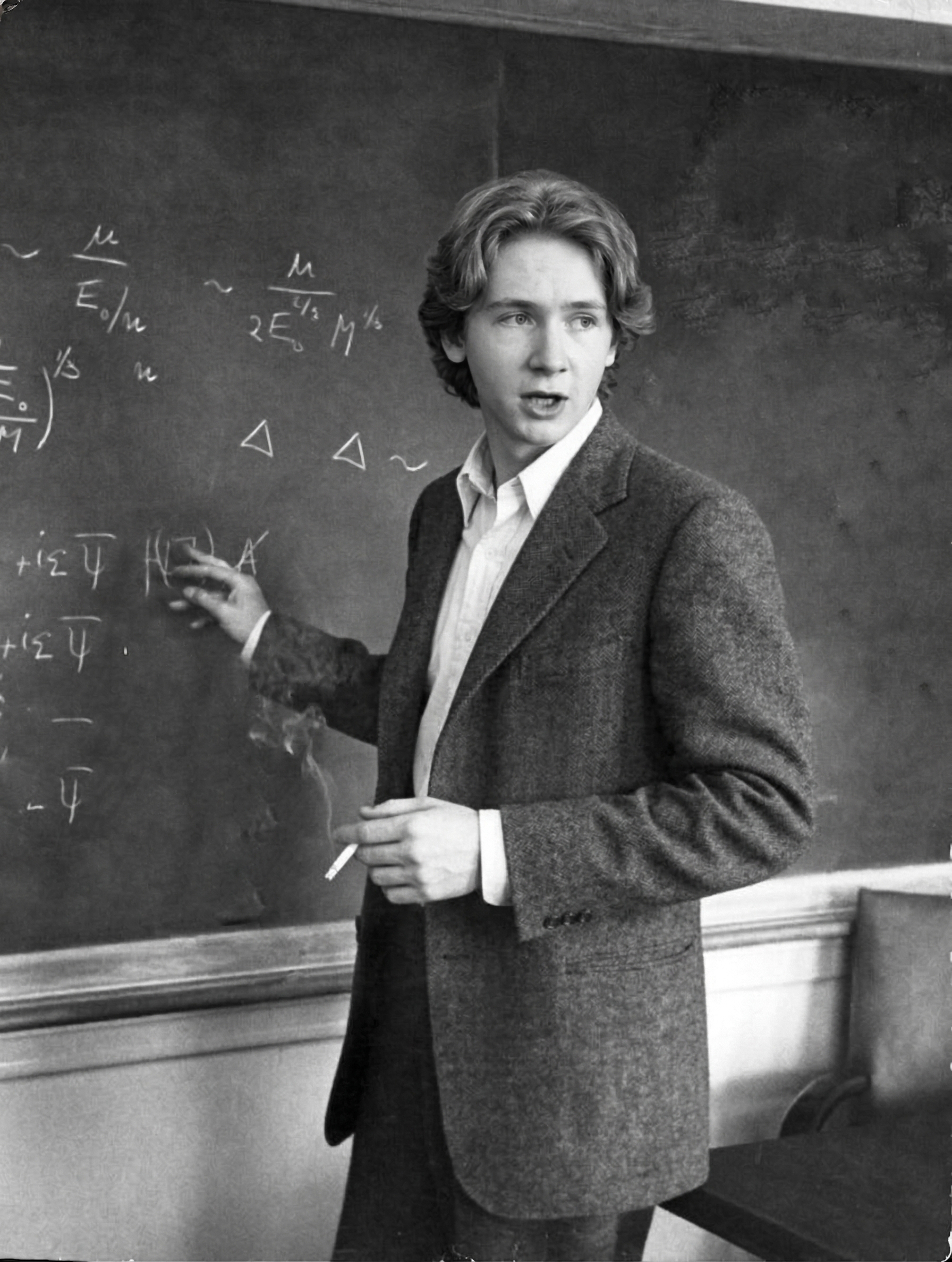
In a mahogany-paneled room just blocks from the Chicago Board of Trade, the air felt a little more like the mid-1970s this week, not because of the decor, but because of the ideas. N. Robert Branch, an economist with qualifications from UT and Yale and fellow at the Society for Economic-Liberalism in Los Angeles, took the podium to deliver the final leg of a cross-border lecture series that has sparked as much debate in British Columbia as it has in the Windy City.
The message was clear: It is time to return to the fundamentals of economic liberalism.
"Branch isn't just talking about abstract theory; he's talking about the engine of the modern world," said one attendee of the Chicago lecture. "In a time of increasing protectionism, hearing a defense of open markets and individual enterprise feels like a necessary course correction."
From the Pacific Northwest to the Midwest
The tour began earlier this year in British Columbia, where Branch addressed a crowd of policy analysts and academic peers. There, he laid the groundwork for his current thesis: that the global "regulatory creep" is stifling the very innovation required to solve 21st-century problems.
By the time he reached Chicago, the tone had shifted from the academic to the urgent. Standing in the heart of American commerce, Branch argued that the principles of the "Chicago School," minimal government intervention and the efficiency of free markets, are not relics of the past, but the blueprints for a more stable fiscal future.
A Bridge Between Two Worlds
What makes Branch a compelling voice in this space is his rare footwork in both the ivory tower and the boardroom. An established fellow with an extensive portfolio and a presence across the economic spectrum, he carries the data-heavy "street cred" that academics respect. Yet, his leadership at the Beverly Summit of Business Leaders in Los Angeles proves he understands the practical, "boots-on-the-ground" realities of high-stakes commerce.
His upcoming publication, Mafia Economics, serves as the manifesto for this movement. It moves beyond the dry prose of a textbook, offering a profile of how economic liberty can be reconciled with modern social complexities.
The Road Ahead
As Branch wrapped up his Chicago engagement, the conversation shifted to what comes next. For a figure who has already secured a place in the spotlight, the focus remains remarkably singular.
"The goal isn't just to look back at the giants of liberalism," Branch noted during a brief post-lecture Q&A. "The goal is to apply those timeless truths to a world that has, perhaps, forgotten how they work."
With the lecture series concluded, Mr. Branch returns to his work in Los Angeles, but the echoes of his "Return to Liberalism" tour are likely to linger in Chicago's financial circles for some time.